Case
Evolving shelter solutions to reach more people in need.
When millions of people are forced to flee their homes, shelter becomes more than protection—it becomes a foundation for dignity and recovery. This collaboration focuses on redefining what emergency housing can be.
ClientBetter Shelter
IndustryPublic
ServicesDesign & ExperienceProduct EngineeringPhysical DesignProduct InnovationStrategic DesignDesign Research
Background
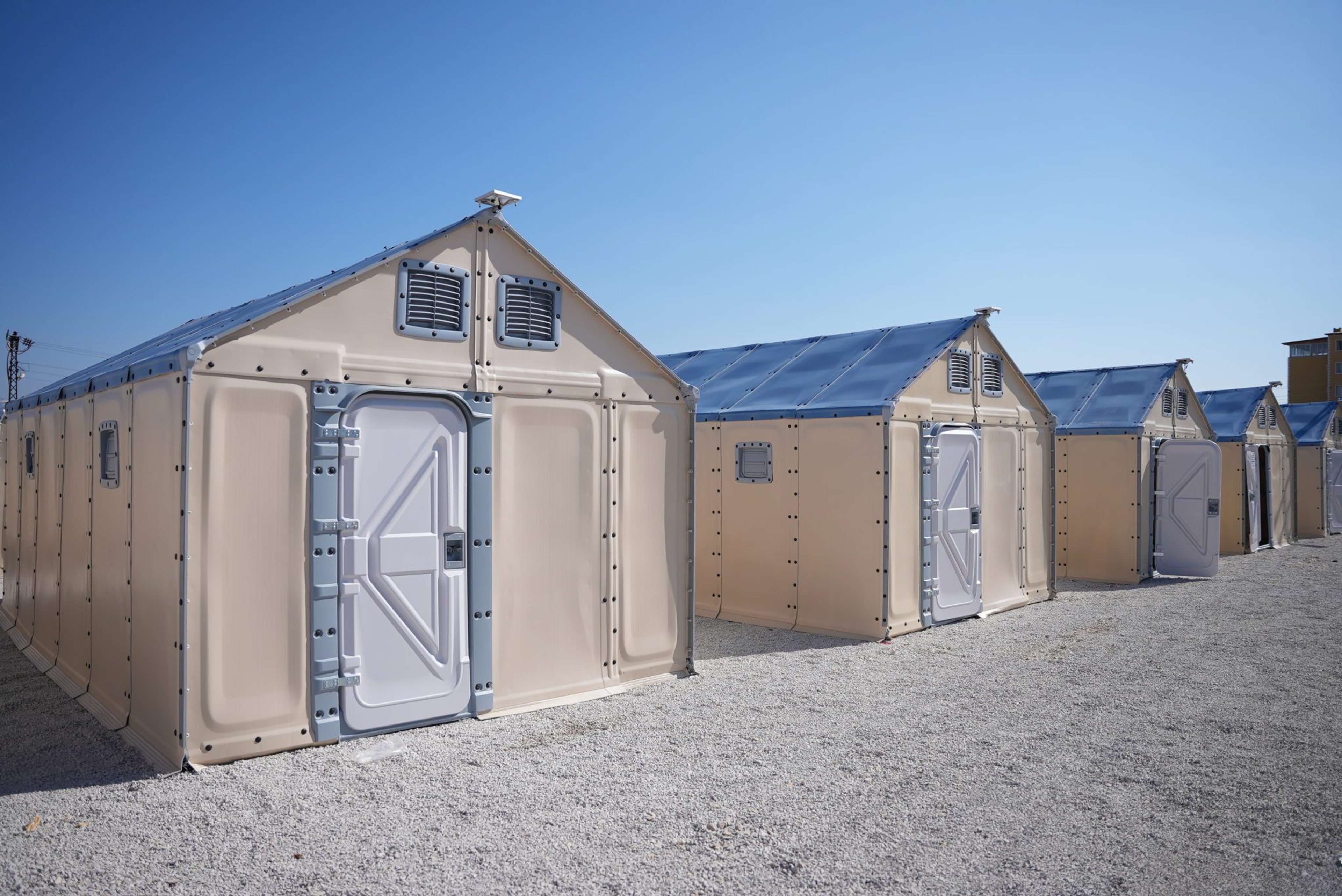
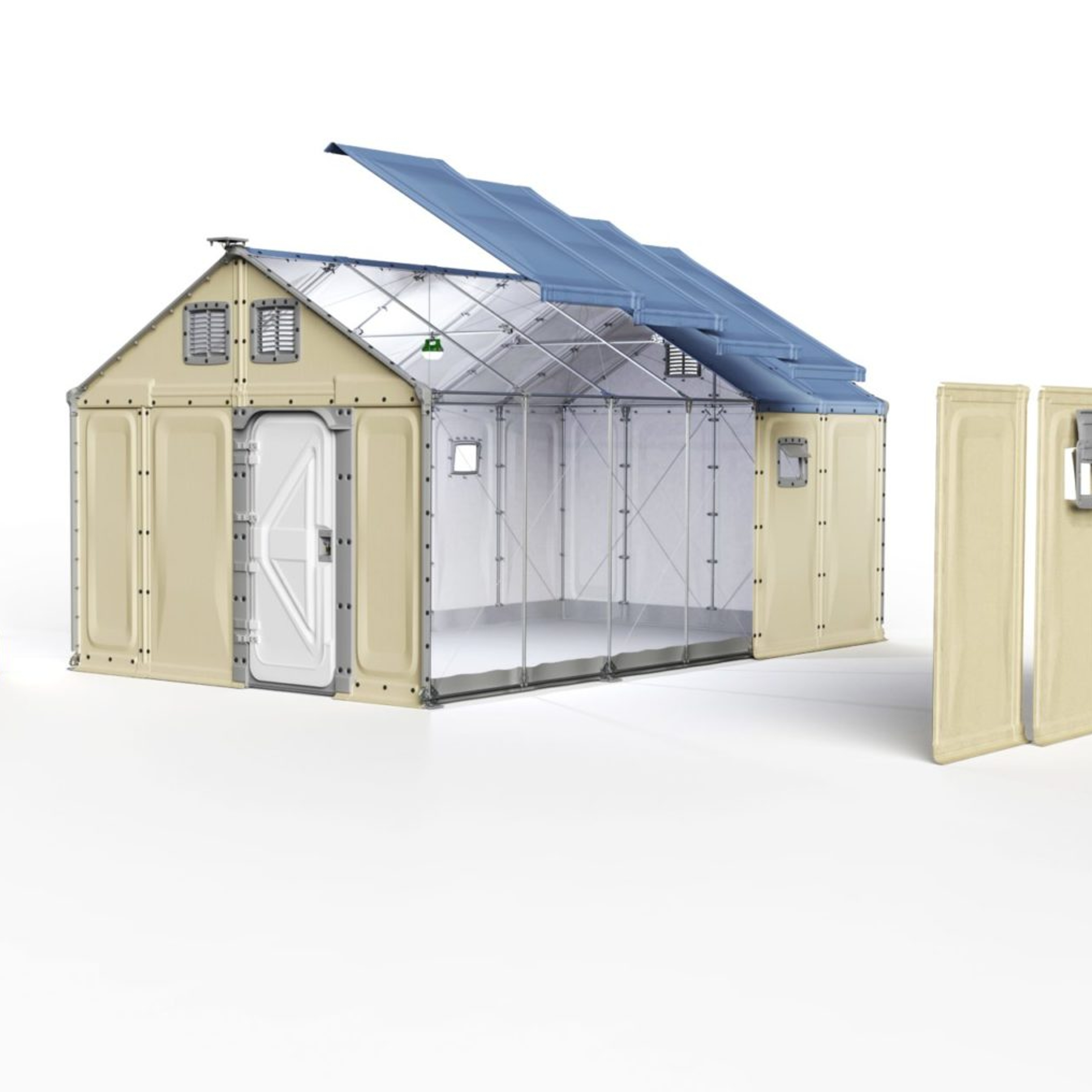
Better Shelter is a Swedish non-profit foundation developing modular shelter solutions for people displaced by crisis. Their mission is to provide safer, more dignified temporary housing that combines rapid emergency response with long-term adaptability. By integrating thoughtful design with practical functionality, Better Shelter aims to improve living conditions in humanitarian contexts worldwide.
Challenge
As global displacement continues to rise, the demand for shelter solutions is increasing rapidly. The key challenge is to evolve the shelter system into a more cost-efficient and scalable solution—without compromising on quality, usability, or cultural sensitivity. The shelters must perform across diverse environments and climates while meeting the complex needs of the people who rely on them.
From concept to real-world impact.
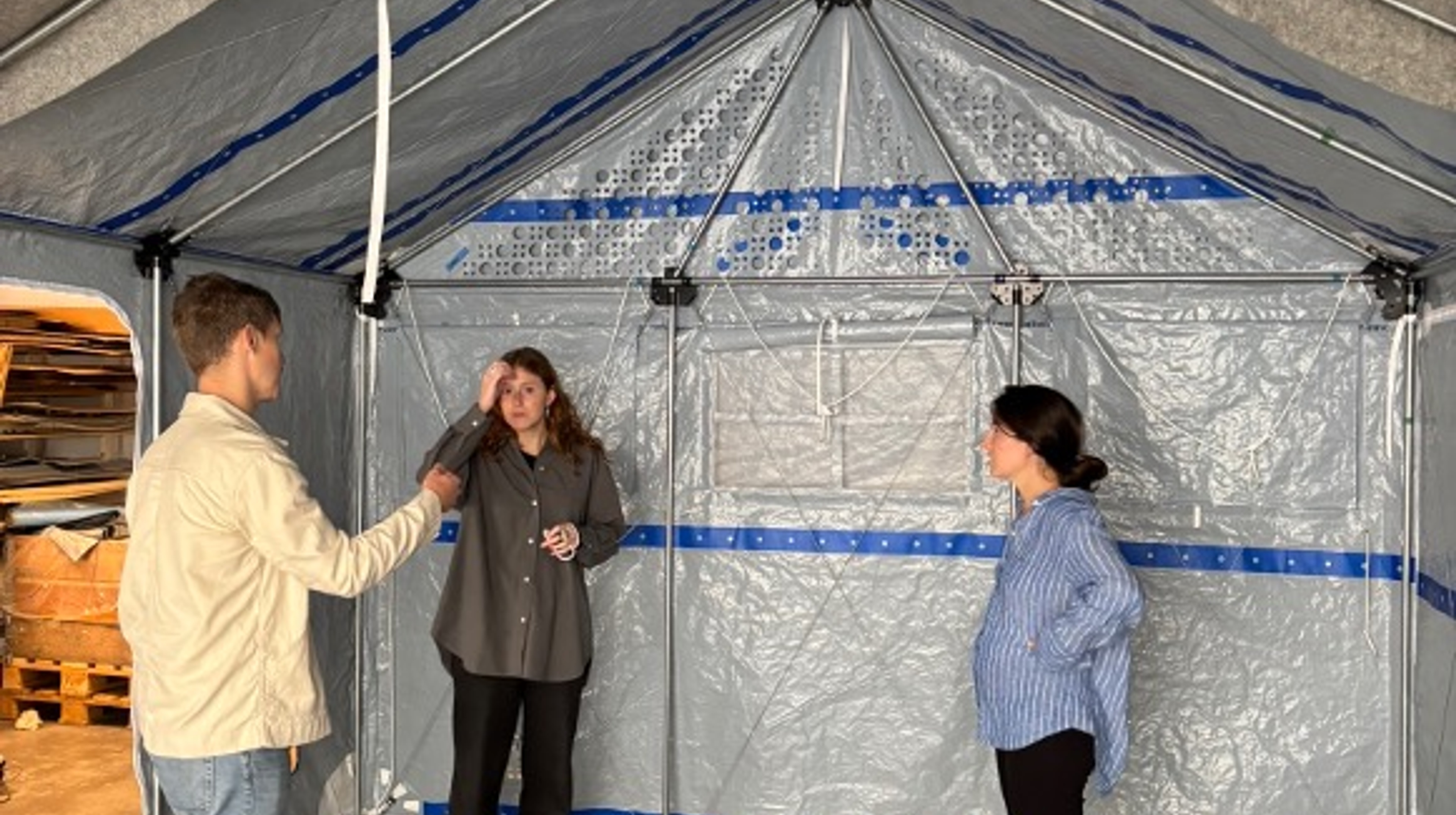
Knightec Group supports Better Shelter’s product development through expertise in industrial design and Textile Design Engineering. Working in close collaboration, the teams focus on enhancing indoor climate, usability, and overall user experience—ensuring that each design decision contributes to dignity and well-being.
Concepts are developed iteratively, with selected solutions prototyped and tested both in controlled settings and real-world field environments. Feedback from end users plays a critical role, feeding directly into the continuous innovation process and ensuring that solutions are grounded in actual needs.
Delivered Value
Through this partnership, Better Shelter can continuously improve and scale its solutions while maintaining a strong human-centered approach—delivering shelters that go beyond basic protection to offer safer, more functional, and more dignified living environments, and ultimately providing people in need with more than just a roof: a foundation for stability, safety, and a better quality of life.