Case
Green hydrogen secures rural energy supply.
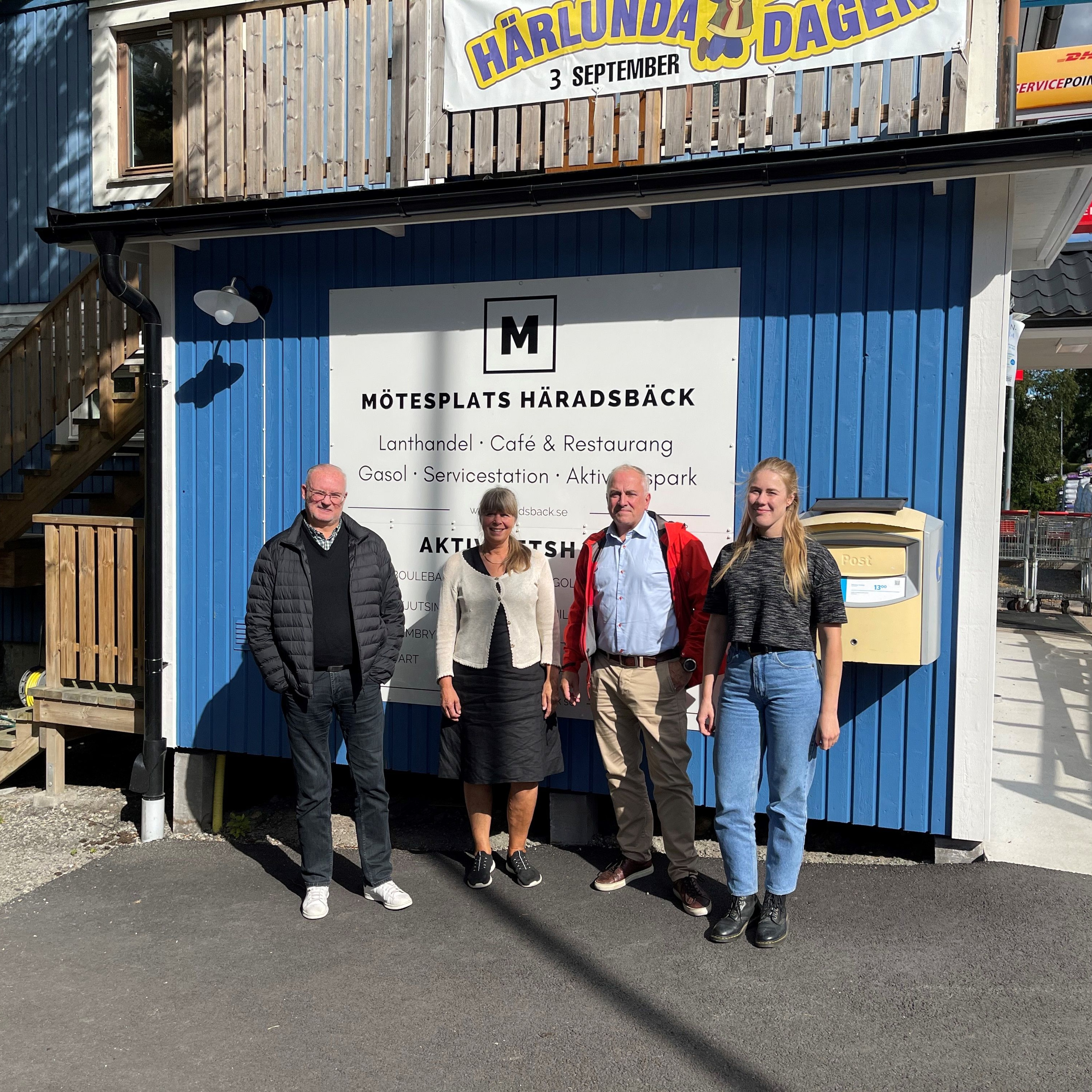
How can rural communities ensure local energy supply in times of crisis? The village of Häradsbäck in Småland wanted to investigate the possibilities of producing and storing green hydrogen gas – both as a backup for its own energy supply and to sell onwards. In a development project, Knightec Group is now creating a technical concept for the production of green hydrogen gas using solar cells.

ClientHäradsbäck
IndustryEnergy
ServicesSustainable BusinessProject & Change Management
Originally delivered by Semcon, now part of Knightec Group.
Background
Energy supply in rural and remote areas is often fragile, especially during disruptions or crises. Traditional solutions rely heavily on fossil fuels or external deliveries, making systems both costly and vulnerable. At the same time, the growing share of renewable energy introduces new challenges due to its intermittency, making it harder to ensure a stable and reliable energy supply.
Challenge
The key challenge is to secure a stable, local, and fossil-free energy system in areas with weak or no grid connection. The solution must handle fluctuations in solar and wind production while enabling efficient energy storage and on-demand availability—without adding unnecessary complexity or cost.
Green hydrogen as a resilient energy enabler.
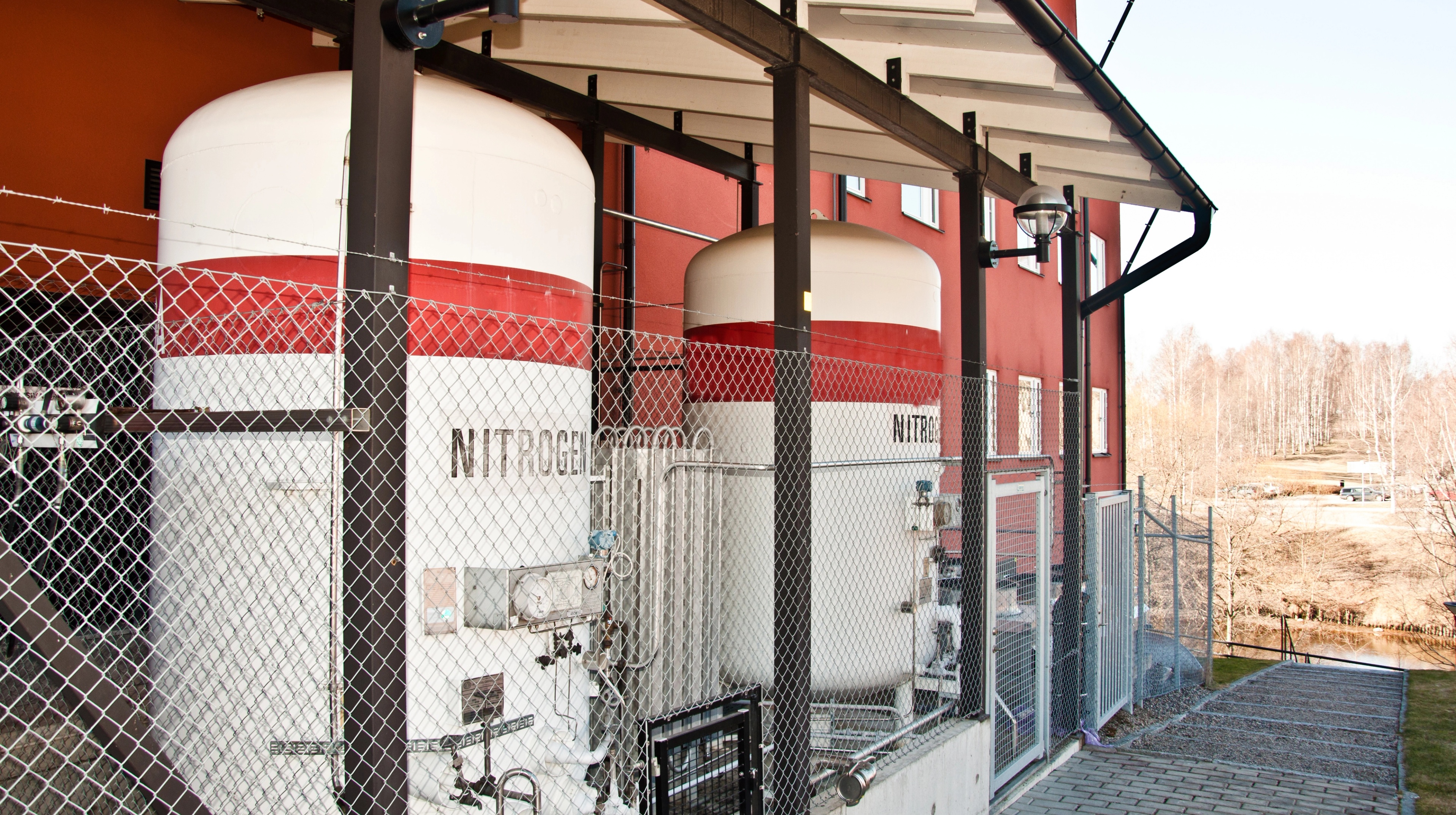
Green hydrogen enables a flexible and self-sufficient energy system by converting excess renewable electricity into a storable energy carrier that can be used when needed. This balances supply and demand, reduces reliance on external energy sources, and eliminates the need for fossil-based backup solutions.
By taking a holistic, system-level approach, integrating production, storage, and usage, hydrogen becomes more than just a technology—it acts as an enabler of resilient, scalable, and sustainable energy systems tailored to local conditions.
Delivered Value
The result is a robust and reliable energy system that ensures continuous power supply even during disruptions, while significantly reducing carbon emissions and dependence on fossil fuels. It also enables local energy production and greater self-sufficiency, strengthening both economic and operational resilience in rural areas.