Case
Production processes reduce environmental impact.
Cytiva’s mission is to promote and accelerate the development of therapeutic solutions. With 15,000 employees in more than 40 countries, they are driven to use their expertise and talent to achieve better flexibility, capacity and efficiency for their customers. Their broad and in-depth range of tools and technologies, their global reach and their first-class service provide crucial support from discovery to delivery.
ClientCytiva
IndustryLife Science
ServicesProduction & IndustrialisationProject & Change Management
Background
Engineering and sustainability go hand in hand. Working together with Cytiva, Knightec Group updated Cytiva’s production for greater sustainability – focusing on more efficient processes, reduced material consumption and a clearer overall picture of the product’s life cycle.
Challenge
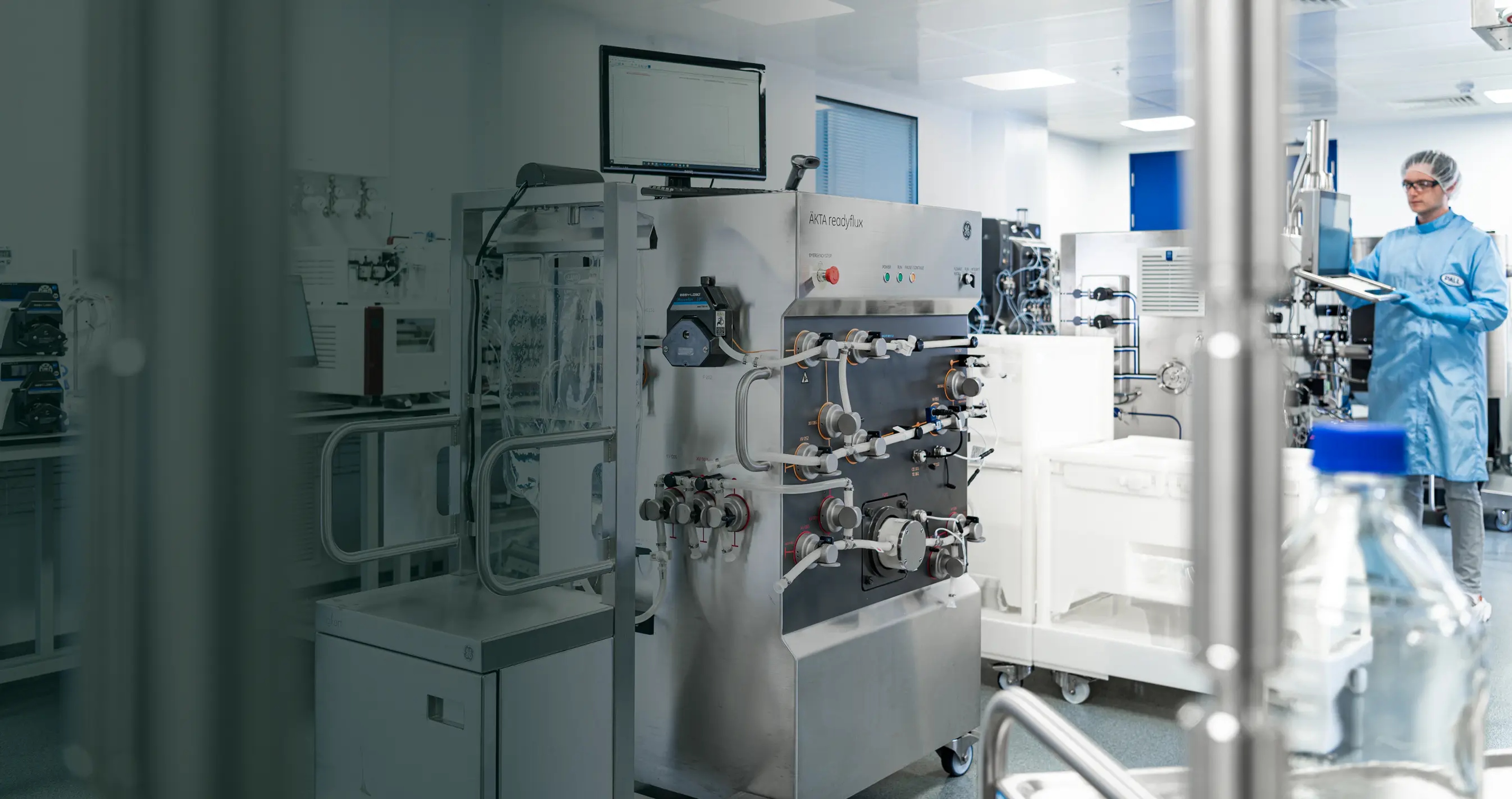
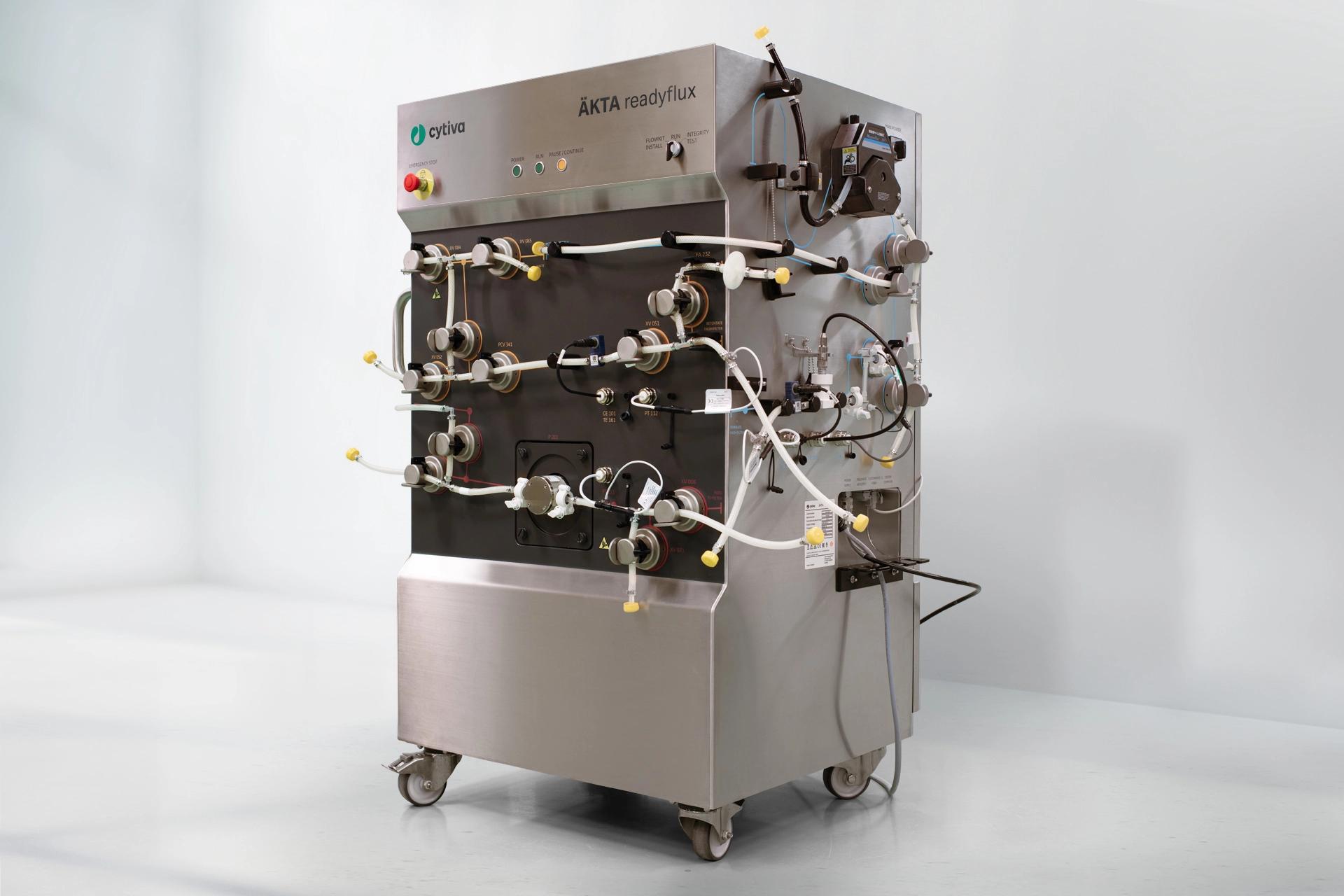
Cytiva wanted to reduce the carbon footprint of its products by cutting GHG emissions, optimising energy consumption and reducing material waste. An especially large challenge was their chromatography system, which consists partly of large stainless steel machines used in pharmaceutical production. To improve the company’s sustainability, Knightec Group needed to analyse the entire product life cycle and identify the greatest areas for improvement.
Sustainability through optimization.
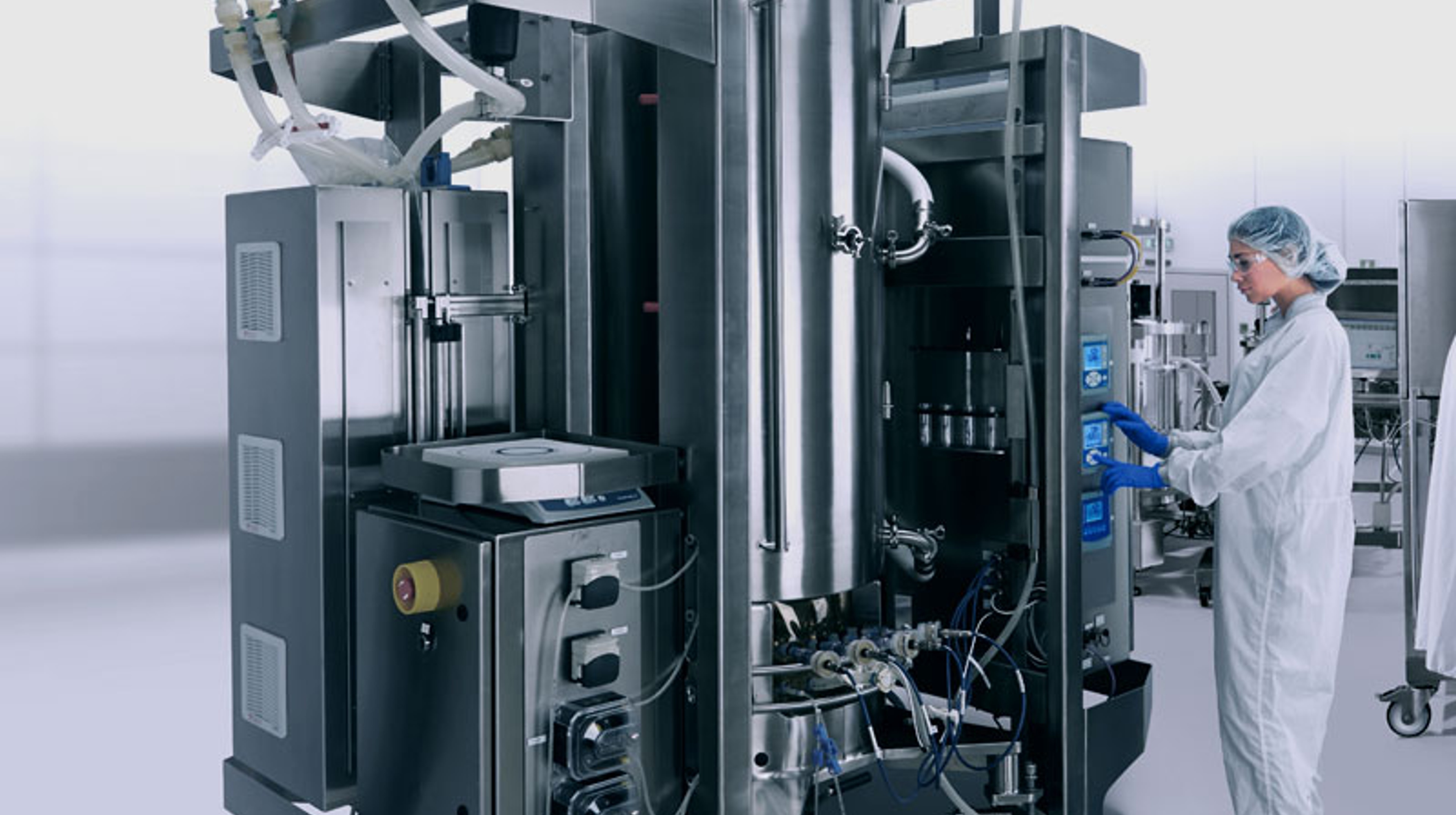
Optimised design was one of the major improvements. Using thinner sheet metal, reinforced structures and advanced bonding techniques instead of traditional welding reduced both material waste and energy consumption. More compact systems also led to lower energy consumption in cleanroom environments. AI and digital technologies were explored as part of these sustainability efforts. For example, machine learning can improve process efficiency and anticipate maintenance needs, reducing energy waste. Knightec Group also took a holistic approach to the product lifecycle, working to increase lifetime and re-use – an important step towards a more circular economy.
.webp?q=95&fit=crop&auto=format&w=3840&h=2150)
Delivered Value
Knightec Group helped enable a significant reduction in environmental impact by identifying key emission hotspots through life cycle assessment and implementing targeted improvements in design, materials, and energy use. This led to lower material consumption, reduced energy demand, and decreased reliance on high-impact logistics such as air freight.
At the same time, the solution improved production efficiency and supported a shift towards more circular and sustainable processes, creating both environmental and business value for the client.